
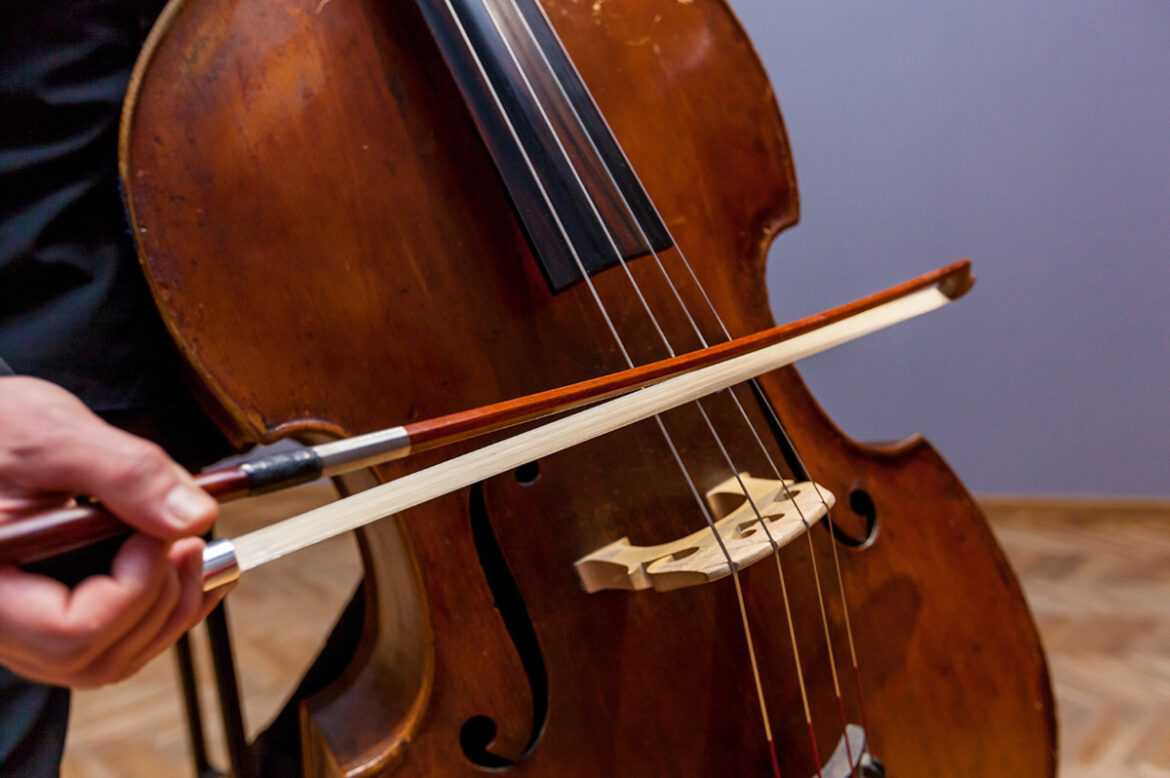
The bass is one of the most important instruments in a musical ensemble, even though listeners do not always recognize how much it contributes to what they hear. It connects rhythm and harmony, provides depth, and creates the foundation that allows the rest of the music to move.
For bassist Carl Jackson, both the electric bass and double bass are part of that musical language.
Although both instruments perform similar foundational roles, they bring very different characteristics to a performance.
The double bass has a warm, natural tone closely associated with traditional and modern jazz. Its acoustic character can give music a sense of space and movement, while the physical interaction between the player and the strings produces subtle variations in tone. In a jazz setting, the double bass can move between supporting the rhythm section, outlining harmony, and becoming a melodic voice of its own.
The electric bass offers another type of flexibility. Its clarity, sustain, and ability to create powerful rhythmic patterns make it suitable for jazz, R&B, gospel, fusion, and other styles where groove plays an important role. Electric bass can provide a tight rhythmic foundation while also allowing the bassist to move into more expressive melodic passages.
What makes both instruments interesting is not simply the difference in sound. It is how a musician uses them.
A skilled bassist listens constantly to the musicians around them. The bass must work with the drums while supporting the harmony created by keyboards, guitars, horns, or other instruments. In improvisational music, those relationships can change from moment to moment.
Carl Jackson’s experience with electric and acoustic bass allows him to approach music from multiple directions. His background across jazz, gospel, orchestral music, R&B, and professional military performance has contributed to a musical style where rhythm and expression work together.
That versatility also shapes performances with Carl Jackson & Concepts.
Rather than treating bass only as a supporting instrument, the music can allow it to become part of the conversation taking place across the ensemble. Sometimes the most important contribution is a simple groove that holds everything together. At other times, the bass can step forward and add another melodic voice to the performance.
For listeners, understanding the difference between electric bass and double bass can make a jazz performance even more interesting. Pay attention to how the bass interacts with the drums, how it supports a soloist, and how its sound changes the overall character of a song.
Behind every groove is a musical decision, and the bass is often where that decision begins.