
Jazz is sometimes described as music built around improvisation, but great jazz performance involves much more than musicians simply playing spontaneous solos.
At the center of a strong performance is communication.
Musicians listen closely to one another, react to subtle changes, and make decisions that can alter the direction of a song in real time. That interaction creates the sense of movement and unpredictability that makes live jazz exciting.
Rhythm provides the foundation.
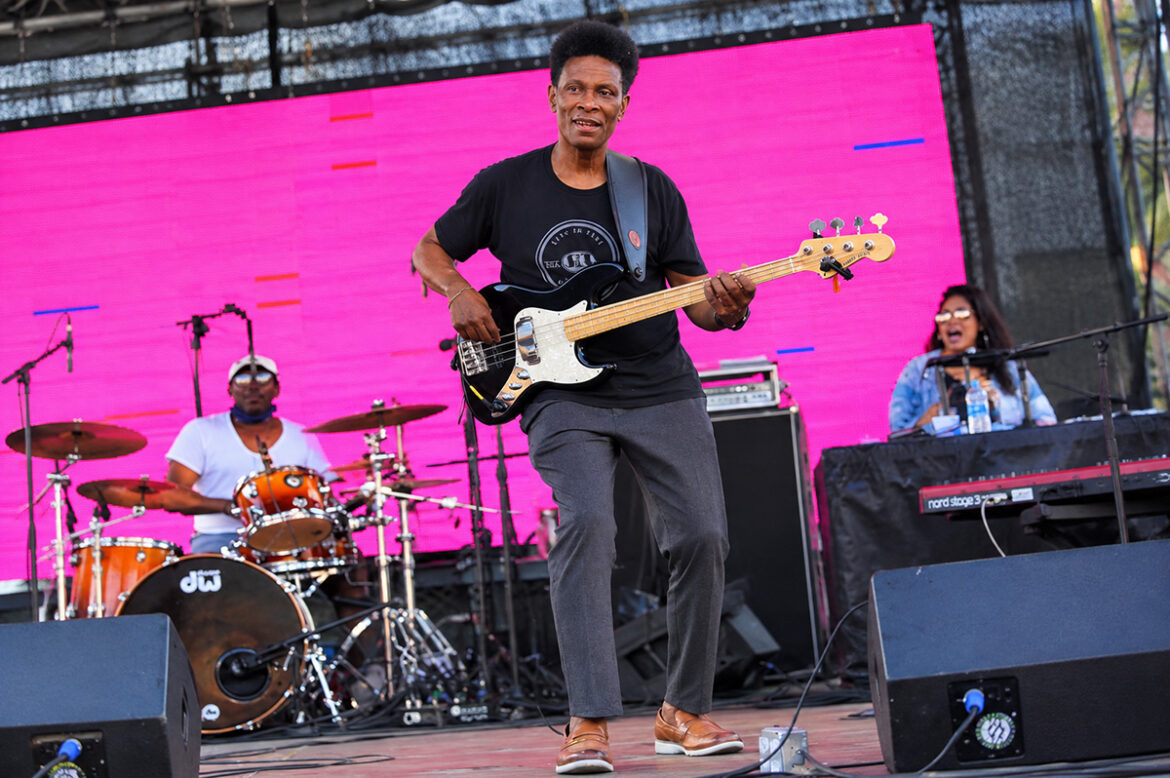
The relationship between bass and drums is particularly important because it establishes the pulse and groove of the music. When those musicians are connected, the rest of the ensemble has a strong foundation from which to build.
For bassist Carl Jackson, groove is an important part of that musical foundation. Whether performing on electric bass or double bass, the role of the instrument goes beyond simply playing low notes. The bass helps define harmony, supports the rhythm, and creates musical space for other performers.
Another element is dynamics.
A great live band understands when the music should become more powerful and when it should become quieter. Those changes create emotional contrast. A performance that stays at the same intensity from beginning to end can quickly become predictable. Jazz allows musicians to shape those dynamics naturally as the performance develops.
Improvisation adds another layer.
A solo is not simply an opportunity for one musician to demonstrate technical ability. The best solos continue the musical conversation. Other musicians respond, adjust their accompaniment, and sometimes introduce ideas that influence where the solo goes next.
This is why seeing jazz live can feel very different from listening to the same musicians on a recording.
A recording captures one version of a song. A live performance captures one particular moment.
The audience also becomes part of that environment. Their response can influence the energy of the musicians, creating a relationship between the stage and the room.
Carl Jackson & Concepts brings this performance-driven approach to audiences through music built around musicianship, rhythm, interaction, and expressive playing.
For people exploring live jazz performances in Denver, watching musicians in person offers an opportunity to see how the music is actually created. You can watch the bassist respond to the drummer, hear an arrangement develop, and experience moments that may never occur exactly the same way again.
That is one of the reasons live jazz continues to connect with audiences.
The songs matter, but so does everything happening between the notes.